
 Taiwan
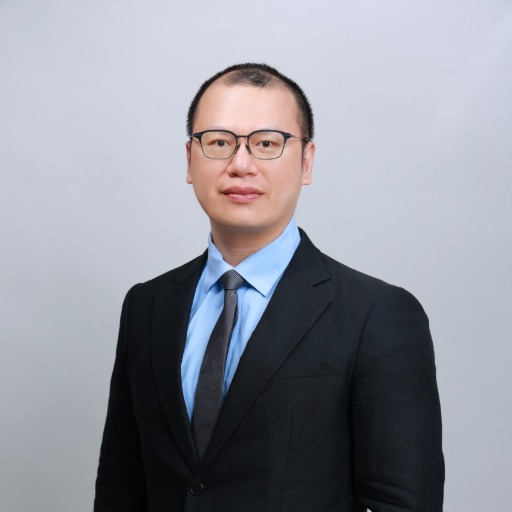
Steve Ying-Chu Chen
陳映竹


Biography
Steve Ying-Chu Chen received his Master of Arts (M.A.) degree in International Sinology Studies at National Taiwan Normal University in 2011, and he completed another Master of Science (M.S.) degree in Exercise and Health Sciences at the University of Taipei in 2021. In 2024, he is the PhD candidate in the Department of Physical Education and Sports Sciences at National Taiwan Normal University.
Research Interests
- Exercise psychology and sport psychology
- Physical activity, exercise, and cognitive function
- Exercise and cognitive neuroscience
- Behavioral performance and psychological well-being in exercise contexts
- Neurocognitive mechanisms of exercise (EEG/ERP, fMRI, sMRI)
- Executive function and acute exercise effects
- Exercise interventions for general and special populations
Areas of Expertise
Articles and Teaching Pedagogy
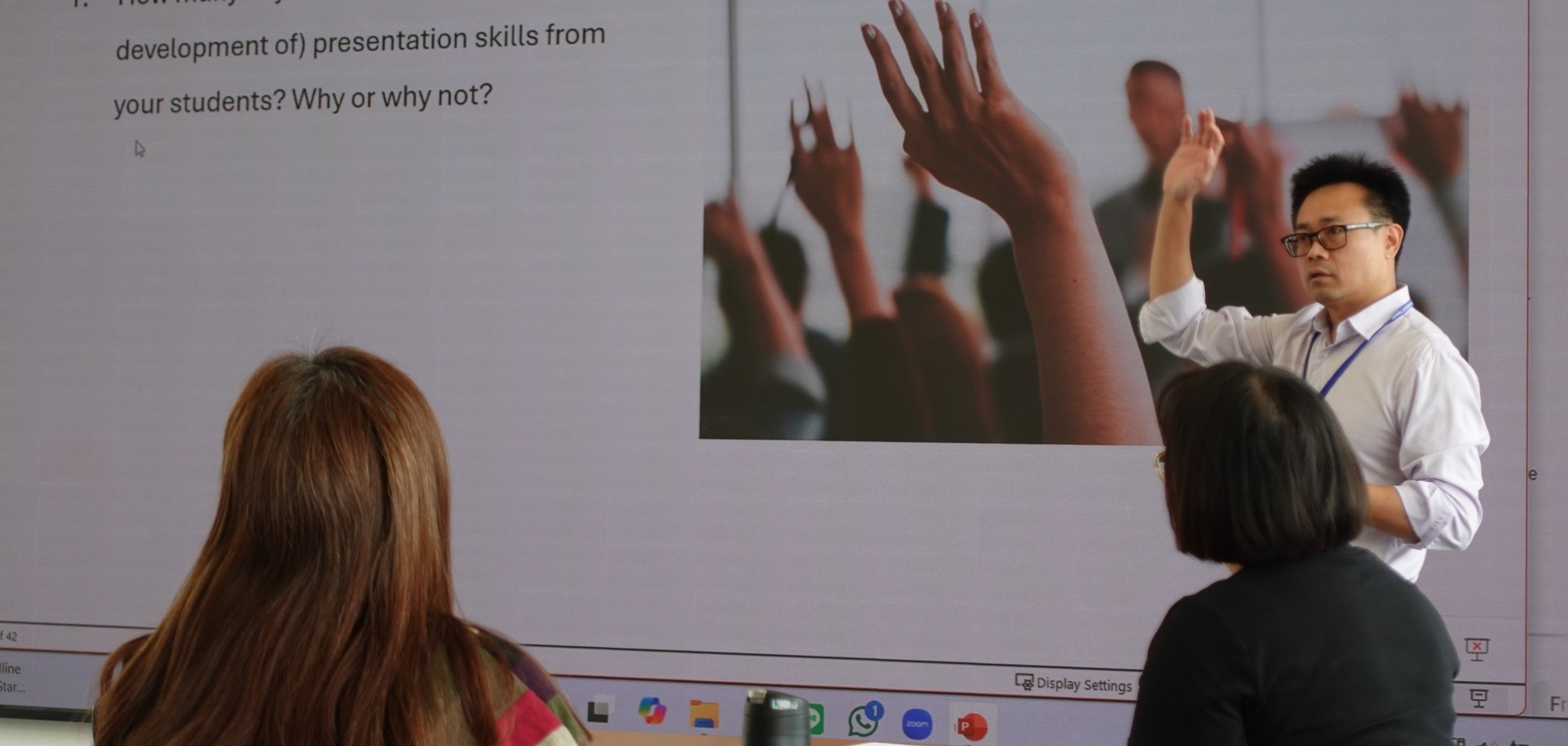
The 16th ISSP World Congress: Acute Resistance Exercise and Inhibitory Control
<span id="docs-internal-guid-83a35ea7-7fff-10fb-2463-1d0943a48e98"><p dir="ltr" style="line-height:1.3900000000000001;margin-top:0pt;margin-bottom:8pt;"><span style="font-size: 12pt; font-family: Roboto, sans-serif; color: rgb(0, 0, 0); background-color: transparent; font-weight: 700; font-variant: normal; vertical-align: baseline; white-space: pre-wrap;">Abstract</span></p><p dir="ltr" style="line-height:1.3900000000000001;margin-top:0pt;margin-bottom:8pt;"><span style="font-size: 12pt; font-family: Roboto, sans-serif; color: rgb(0, 0, 0); background-color: transparent; font-variant: normal; vertical-align: baseline; white-space: pre-wrap;">The 16th ISSP World Congress, sponsored by the Shine Tak Foundation and organized by the International Society of Sport Psychology (ISSP), took place from December 8 to 12, 2025, at the Hong Kong Sports Institute. During this prestigious event, Ying-Chu Chen (Steve) presented recent research titled ‘The Influence of Acute Resistance Exercise Volume on Inhibitory Control: A Randomized Controlled Trial.’ The study investigated the effects of low versus moderate-intensity resistance exercise on cognitive function, specifically inhibitory control, utilizing the Stroop Task. The findings suggested that when total exercise volume is equalized, both low and moderate-intensity resistance exercises yield comparable improvements in inhibitory control, highlighting the importance of volume over intensity in acute cognitive benefits.</span></p><p dir="ltr" style="line-height:1.3900000000000001;margin-top:0pt;margin-bottom:8pt;"><span style="font-size: 12pt; font-family: Roboto, sans-serif; color: rgb(0, 0, 0); background-color: transparent; font-weight: 700; font-variant: normal; vertical-align: baseline; white-space: pre-wrap;">Date</span></p><p dir="ltr" style="line-height:1.3900000000000001;margin-top:0pt;margin-bottom:8pt;"><span style="font-size: 12pt; font-family: Roboto, sans-serif; color: rgb(0, 0, 0); background-color: transparent; font-variant: normal; vertical-align: baseline; white-space: pre-wrap;">Dec 8, 2025 — Dec 12, 2025</span></p><p dir="ltr" style="line-height:1.3900000000000001;margin-top:0pt;margin-bottom:8pt;"><span style="font-size: 12pt; font-family: Roboto, sans-serif; color: rgb(0, 0, 0); background-color: transparent; font-weight: 700; font-variant: normal; vertical-align: baseline; white-space: pre-wrap;">Event</span></p><p dir="ltr" style="line-height:1.3900000000000001;margin-top:0pt;margin-bottom:8pt;"><a href="https://www.issp2025.com/" style="text-decoration:none;"><span style="font-size: 12pt; font-family: Roboto, sans-serif; color: rgb(17, 85, 204); background-color: transparent; font-variant: normal; text-decoration: underline; text-decoration-skip-ink: none; vertical-align: baseline; white-space: pre-wrap;">The 16th ISSP World Congress</span></a></p><p dir="ltr" style="line-height:1.3900000000000001;margin-top:0pt;margin-bottom:8pt;"><span style="font-size: 12pt; font-family: Roboto, sans-serif; color: rgb(0, 0, 0); background-color: transparent; font-weight: 700; font-variant: normal; vertical-align: baseline; white-space: pre-wrap;">Location</span></p><p dir="ltr" style="line-height:1.3900000000000001;margin-top:0pt;margin-bottom:0pt;"><span style="font-size: 12pt; font-family: Roboto, sans-serif; color: rgb(0, 0, 0); background-color: transparent; font-variant: normal; vertical-align: baseline; white-space: pre-wrap;">Hong Kong Sports Institute</span></p><p dir="ltr" style="line-height:1.3900000000000001;margin-top:0pt;margin-bottom:0pt;"><span style="font-size: 12pt; font-family: Roboto, sans-serif; color: rgb(0, 0, 0); background-color: transparent; font-variant: normal; vertical-align: baseline; white-space: pre-wrap;">25 Yuen Wo Road, Shatin, New Territories</span></p><p dir="ltr" style="line-height:2.16;margin-top:0pt;margin-bottom:18pt;"><span style="font-size: 12pt; font-family: Roboto, sans-serif; background-color: transparent; font-variant: normal; vertical-align: baseline; white-space: pre-wrap;">Certificate of Attendance:</span><span style="font-size: 12pt; font-family: Roboto, sans-serif; color: rgb(51, 65, 85); background-color: transparent; font-variant: normal; vertical-align: baseline; white-space: pre-wrap;"> Mr. Ying-Chu Chen participated in The 16th ISSP World Congress, sponsored by the Shine Tak Foundation and hosted by the Hong Kong Sports Institute between 8 and 12 December 2025.</span></p><p dir="ltr" style="line-height:2.16;margin-top:18pt;margin-bottom:18pt;"><span style="font-size: 12pt; font-family: Roboto, sans-serif; background-color: transparent; font-variant: normal; vertical-align: baseline; white-space: pre-wrap;">Presentation Highlights:</span><span style="font-size: 12pt; font-family: Roboto, sans-serif; color: rgb(51, 65, 85); background-color: transparent; font-variant: normal; vertical-align: baseline; white-space: pre-wrap;"> In his oral presentation, </span><span style="font-size: 12pt; font-family: Roboto, sans-serif; background-color: transparent; font-variant: normal; vertical-align: baseline; white-space: pre-wrap;">“The Influence of Acute Resistance Exercise Volume on Inhibitory Control: A Randomized Controlled Trial,”</span><span style="font-size: 12pt; font-family: Roboto, sans-serif; color: rgb(51, 65, 85); background-color: transparent; font-variant: normal; vertical-align: baseline; white-space: pre-wrap;"> Ying-Chu Chen discussed the relationship between resistance training variables and executive function. The study utilized a randomized controlled design to compare the effects of different exercise intensities with matched total volumes.</span></p><p dir="ltr" style="line-height:2.16;margin-top:18pt;margin-bottom:18pt;"><span style="font-size: 12pt; font-family: Roboto, sans-serif; background-color: transparent; font-variant: normal; vertical-align: baseline; white-space: pre-wrap;">Key Findings:</span></p><ul style="margin-top:0;margin-bottom:0;padding-inline-start:48px;"><li dir="ltr" style="list-style-type: disc; font-size: 12pt; font-family: Roboto, sans-serif; color: rgb(51, 65, 85); background-color: transparent; font-variant: normal; vertical-align: baseline; white-space: pre;" aria-level="1"><p dir="ltr" style="line-height:1.3900000000000001;margin-top:25pt;margin-bottom:0pt;" role="presentation"><span style="font-size: 12pt; color: rgb(15, 23, 42); background-color: transparent; font-variant: normal; vertical-align: baseline; white-space: pre-wrap;">Volume Matters:</span><span style="font-size: 12pt; background-color: transparent; font-variant: normal; vertical-align: baseline; white-space: pre-wrap;"> The study concluded that exercise volume might be a key determinant for acute cognitive benefits.</span></p></li><li dir="ltr" style="list-style-type: disc; font-size: 12pt; font-family: Roboto, sans-serif; color: rgb(51, 65, 85); background-color: transparent; font-variant: normal; vertical-align: baseline; white-space: pre;" aria-level="1"><p dir="ltr" style="line-height:1.3900000000000001;margin-top:0pt;margin-bottom:0pt;" role="presentation"><span style="font-size: 12pt; color: rgb(15, 23, 42); background-color: transparent; font-variant: normal; vertical-align: baseline; white-space: pre-wrap;">Intensity Agnostic:</span><span style="font-size: 12pt; background-color: transparent; font-variant: normal; vertical-align: baseline; white-space: pre-wrap;"> Both low and moderate-intensity resistance exercise protocols resulted in significant improvements in inhibitory control (measured by the Stroop Task) when the total volume was held constant.</span></p></li><li dir="ltr" style="list-style-type: disc; font-size: 12pt; font-family: Roboto, sans-serif; color: rgb(51, 65, 85); background-color: transparent; font-variant: normal; vertical-align: baseline; white-space: pre;" aria-level="1"><p dir="ltr" style="line-height:1.3900000000000001;margin-top:0pt;margin-bottom:0pt;" role="presentation"><span style="font-size: 12pt; color: rgb(15, 23, 42); background-color: transparent; font-variant: normal; vertical-align: baseline; white-space: pre-wrap;">Physiological Response:</span><span style="font-size: 12pt; background-color: transparent; font-variant: normal; vertical-align: baseline; white-space: pre-wrap;"> Lactate levels increased similarly across exercise groups, suggesting a comparable metabolic response supporting the cognitive gains.</span></p></li><li dir="ltr" style="list-style-type: disc; font-size: 12pt; font-family: Roboto, sans-serif; color: rgb(51, 65, 85); background-color: transparent; font-variant: normal; vertical-align: baseline; white-space: pre;" aria-level="1"><p dir="ltr" style="line-height:1.3900000000000001;margin-top:0pt;margin-bottom:25pt;" role="presentation"><span style="font-size: 12pt; color: rgb(15, 23, 42); background-color: transparent; font-variant: normal; vertical-align: baseline; white-space: pre-wrap;">Clinical Implication:</span><span style="font-size: 12pt; background-color: transparent; font-variant: normal; vertical-align: baseline; white-space: pre-wrap;"> Low-intensity resistance exercise can be an effective strategy for enhancing cognitive health, especially for populations unable to perform high-intensity training, provided the volume is sufficient.</span></p></li></ul><p dir="ltr" style="line-height:2.16;margin-top:18pt;margin-bottom:0pt;"><span style="font-size: 12pt; font-family: Roboto, sans-serif; color: rgb(51, 65, 85); background-color: transparent; font-variant: normal; vertical-align: baseline; white-space: pre-wrap;">This research contributes to the growing body of evidence in exercise cognition interaction, offering practical guidelines for exercise prescription aimed at brain health.</span></p><br></span>
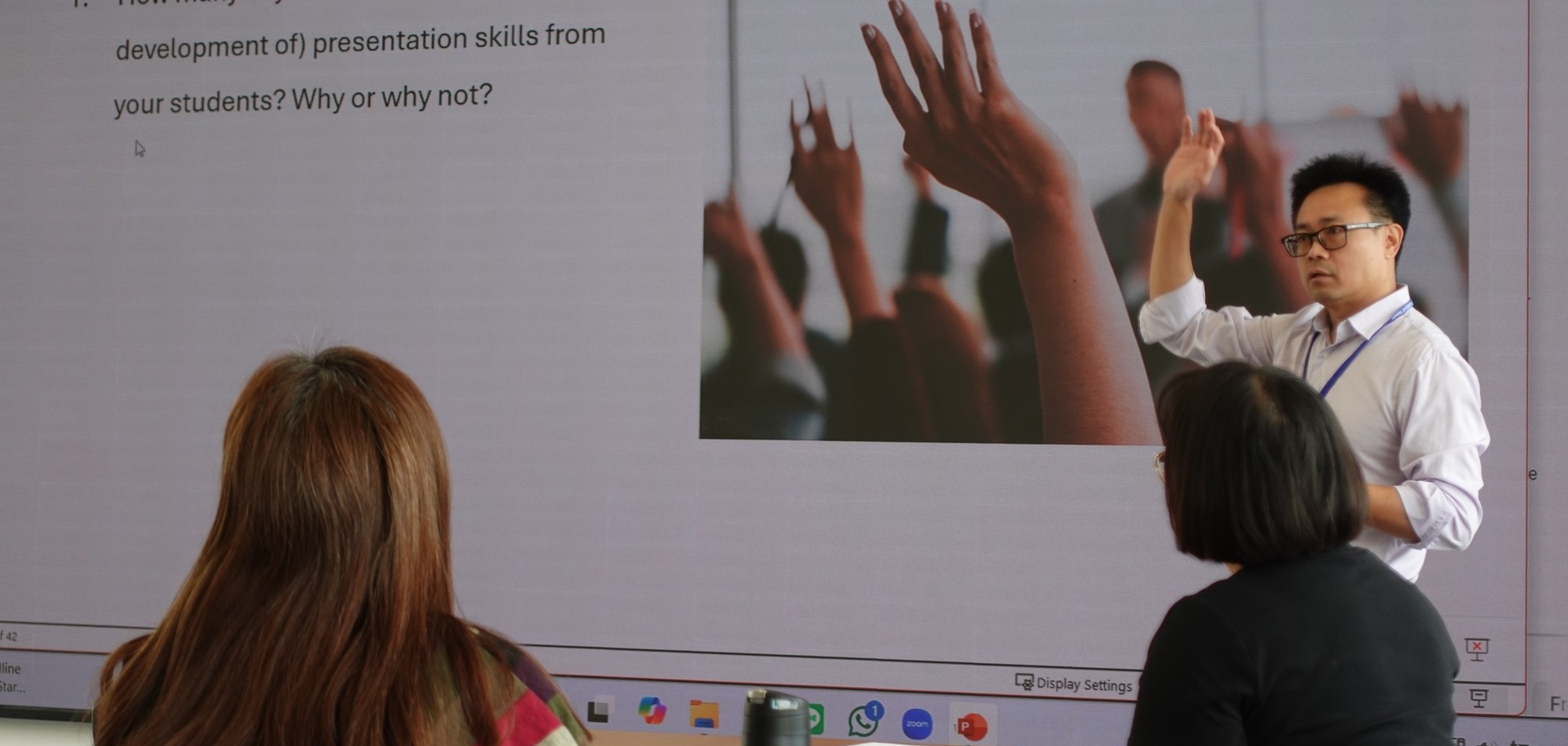
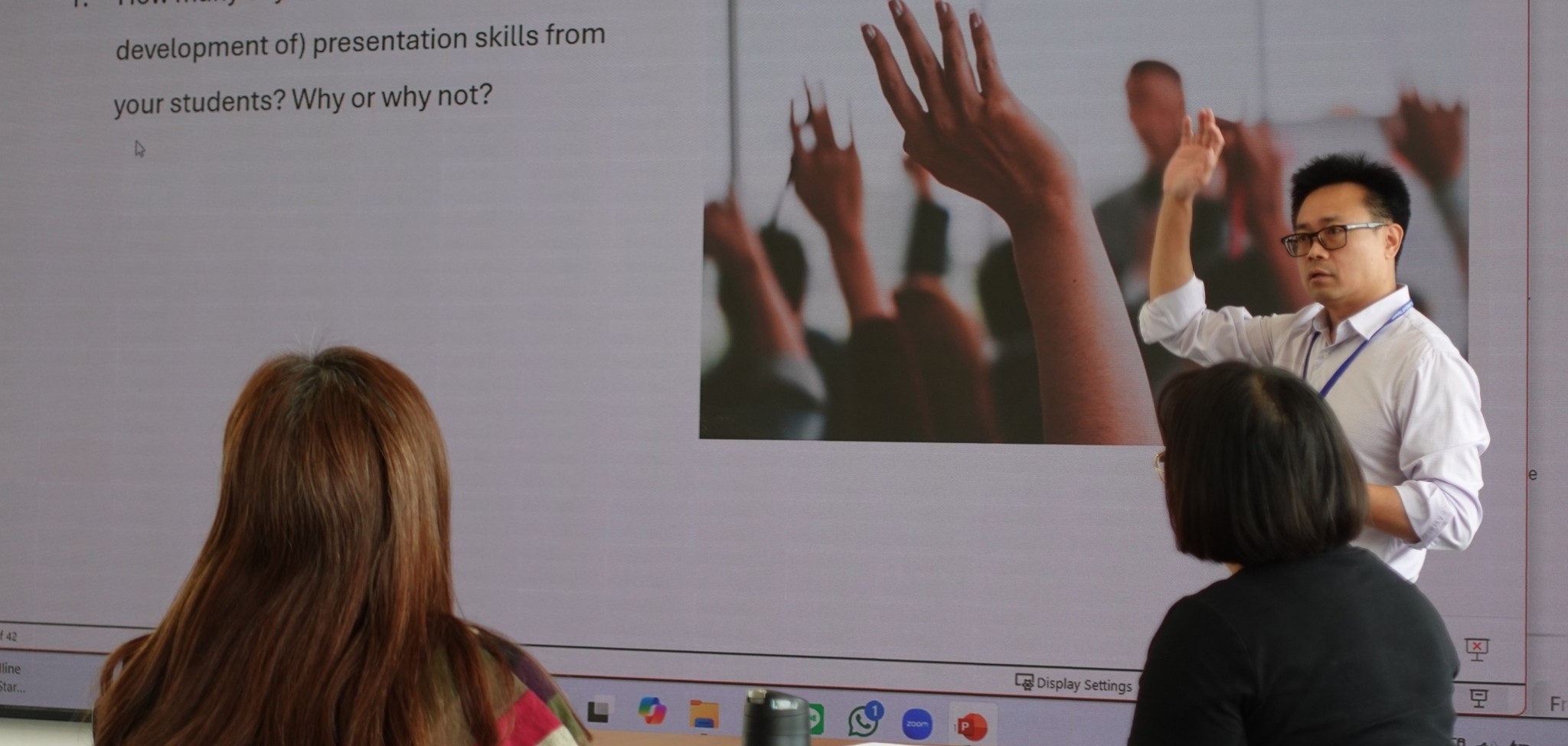
Shaping the Future of Bilingual Collaboration: EMI Course Demonstration by Steve Ying-Chu Chen
<div>In the course demonstration session led by Steve Ying-Chu Chen, he showcased his extensive teaching experience and demonstrated how flexible bilingual strategies in EMI (English as a Medium of Instruction) can help students engage more effectively in fields like exercise science and cognitive neuroscience. By using translanguaging, students are able to draw on their full linguistic resources to deepen their understanding and express complex ideas, while also enhancing their academic English skills.</div><div><br></div><div>Ying-Chu Chen emphasized that bilingual teaching is not just about switching between languages; it’s a powerful tool for promoting educational equity and global competence. When students are taught in a multilingual environment, they can develop a broader perspective, critical thinking skills, and a stronger connection to global knowledge.</div><div><br></div><div>The seminar also addressed the growing importance of language equity in higher education, stressing that EMI should aim to lower language barriers so that students from diverse linguistic backgrounds can equally participate, understand, and express themselves. By balancing language use with content delivery, instructors can create a more inclusive learning environment that is both academically rigorous and accessible.</div><div><br></div><div>Additionally, the seminar explored the future of bilingual collaboration in teaching, offering practical strategies and insights to help educators find the balance between theory and practice in EMI classrooms. Overall, the event not only showcased the diversity of bilingual education but also prompted attendees to think about how to continue advancing language inclusion and academic innovation in globalized education.</div><div><br></div><div><br></div>
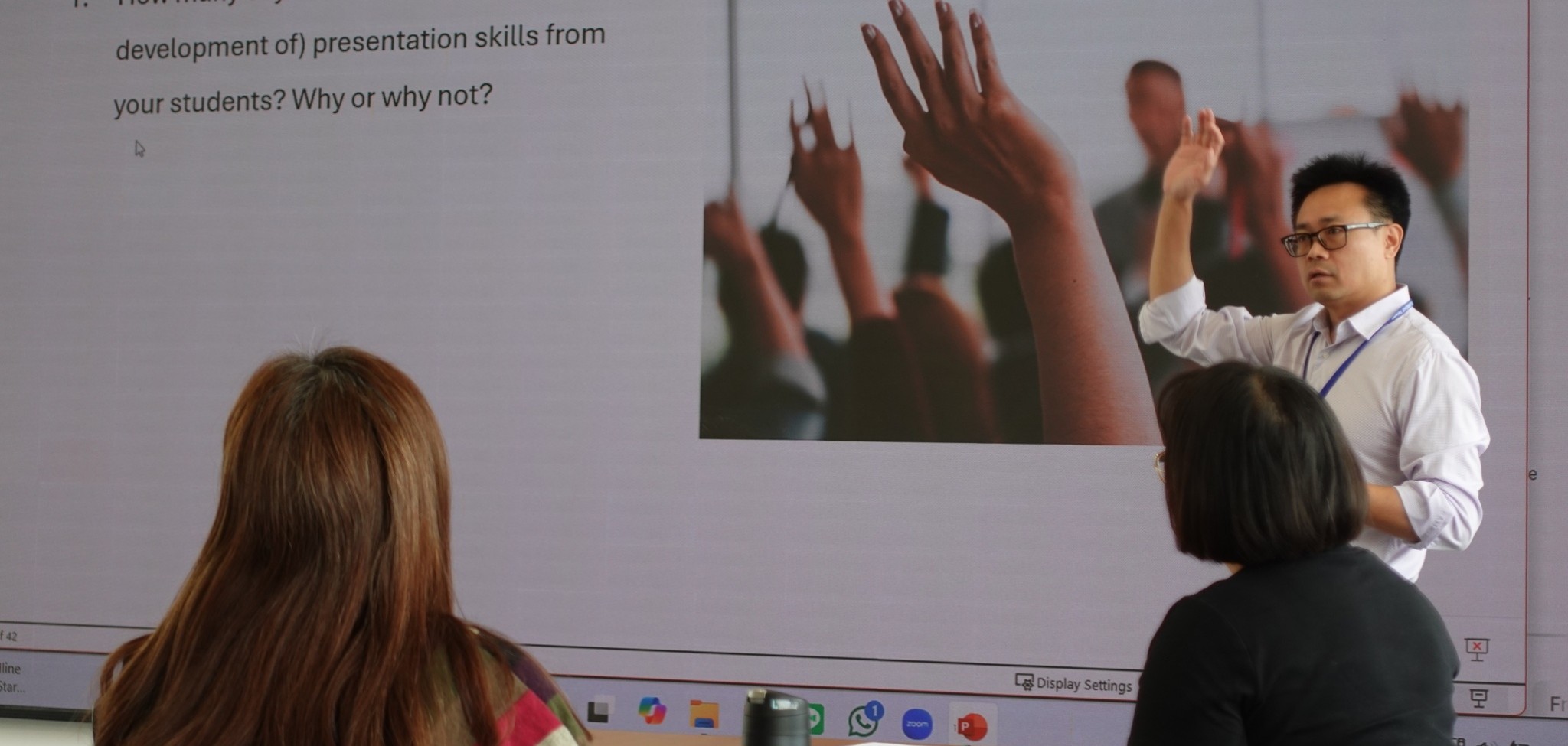
Toastmasters 示範例會心得:從結構、回饋到自信的全新理解
<div>Abstract</div><div><br></div><div>參加 Toastmasters 示範例會 對我而言既是一種謙卑的體驗,也是一次自我賦能的過程。加入之前,我以為自己已具備相當穩固的公開演講能力——畢竟我時常講課、發表研究、並參與專業討論。然而,站上 Toastmasters 的舞台後,我才意識到:真正的表達藝術不僅是內容的精緻呈現,更是氣場、節奏與連結的融合。</div><div>我最深刻的體會之一是「結構」的重要性。與以數據與證據為核心的學術報告不同,Toastmasters 的演講更依賴敘事的清晰度。觀眾不只是吸收資訊,他們更被故事、比喻與情感共鳴所觸動。學會將專業或技術性的主題置於引人入勝的框架之中,迫使我重新思考如何傳達訊息——不僅是為了說服,更是邀請聽眾共同展開一段旅程。</div><div>另一個改變性的收穫來自於「回饋」。在每次演講之後,能立即得到具體、建設性且鼓勵性的評價是相當罕見的。這些評語讓我更加留意那些容易被忽視的小習慣:例如在轉折時無意間出現的贅詞、不自覺地來回踱步,或是在關鍵段落中急於趕進度。這樣的回饋循環不僅提升了我的自覺性,更重要的是,它讓「錯誤」不再等同於「失敗」,而是邁向進步的墊腳石。這種持續改善的文化,正是 Toastmasters 最強大的力量之一。</div><div>同樣值得注意的是 Toastmasters 對「領導力」的重視。許多人以為這只是個訓練演講的場合,但實際上它同時培養組織與人際互動的能力。主持會議、協調角色、或支持其他會員,都需要靈活性與同理心。在這些時刻,溝通不再是一場「表演」,而是一種「服務」——幫助他人發揮所長。</div><div>對我而言,最大的轉變或許是「自信」的重新定義。它不再是外顯的張揚,而是一種沉著的篤定。當緊張感不可避免地湧上時,我學會將它視為能量,並引導其轉化為專注的存在感。停頓前的寧靜、關鍵語句的留白,甚至是一個眼神的交流,都可能比再精緻的詞藻更具力量。從這個角度來看,Toastmasters 的真諦不是掌握語言,而是掌握自我,並與他人建立真實的連結。</div><div>回顧這段歷程,我發現自己所培養的能力已遠遠超越會議室。無論是在教學、談判,或是日常對話中,清晰、真誠與回應性的原則,都持續塑造我與他人互動的方式。Toastmasters 讓我體悟到,溝通不僅是一門技巧,而是一種終身的修煉——融合理性與同理心,結合表達與存在感。</div><div>Participating in Toastmasters has been both a humbling and empowering experience. Before joining, I thought I had a relatively solid command of public speaking—after all, I lecture, present research, and engage in professional discussions regularly. Yet standing on the Toastmasters stage revealed something different: the subtle art of presence, pacing, and connection goes far beyond delivering polished content.</div><div>One of the most striking lessons I have gained is the value of structure. Unlike academic presentations, where data and evidence dominate, a Toastmasters speech thrives on clarity of narrative. Audiences do not merely absorb information; they respond to stories, analogies, and emotional resonance. Learning to frame even technical topics within a compelling arc has forced me to rethink how I communicate—not only to persuade, but also to invite the audience into a shared journey.</div><div>Another transformative aspect has been the practice of feedback. It is rare to receive immediate, constructive, and encouraging critiques after every performance. The evaluations have sharpened my awareness of habits I would otherwise overlook: filler words creeping into transitions, the unconscious pacing back and forth, or the tendency to rush through climactic points. This feedback loop cultivates self-awareness, but more importantly, it normalizes growth. Mistakes are not failures but steppingstones, and this culture of continuous improvement is one of the most powerful dimensions of Toastmasters.</div><div>What also stands out is the emphasis on leadership. Many assume Toastmasters is solely about speaking, yet the program equally fosters organizational and interpersonal skills. Chairing a meeting, coordinating roles, or supporting fellow members demands adaptability and empathy. In these moments, communication is not a performance but a service—an act of enabling others to succeed.</div><div>Perhaps the greatest personal shift for me has been confidence not as bravado, but as calm assurance. When nerves inevitably surface, I now see them less as obstacles and more as energy to be redirected into presence. The silence before a key statement, the deliberate pause, or even eye contact across the room can carry more weight than the most elaborate phrasing. In this sense, Toastmasters is not about mastering words but about mastering oneself in relation to others.</div><div>In reflection, I realize that the skills I have honed here extend far beyond the meeting room. Whether I am teaching, negotiating, or even engaging in casual conversation, the principles of clarity, authenticity, and responsiveness shape the way I connect with others. Toastmasters has shown me that communication is not merely a technical skill but a lifelong discipline, one that blends intellect with empathy and performance with presence.</div><div><br></div><div><br></div><div>Date</div><div>Sep 3, 2025 7:00 PM — 9:00 PM</div><div><br></div><div>Event</div><div><a href="https://lunacysaint.github.io/" target="_blank" rel="noopener noreferrer">Toastmasters 示範例會心得反思</a></div><div><br></div><div>Location</div><div>National Taiwan Normal University</div><div>No. 162, Section 1, Heping East Road, Taipei City, Da’an Dist. 106</div><div><br></div><div><br></div>
Advancing Behavioral and Physiological Research Through International Exchange
<div>Abstract</div><div><br></div><div>本週的讀書會再次邀請來自捷克布爾諾 Masaryk University 的交換學者 Dr. Radeck Sip 進行專題演講,與我們分享他關於 Self-defense 的研究。這項研究源於他對 Freeze response 的好奇,並設計出兼具生態效度的實驗流程,整合多種生理與心理變項進行測量,成功吸引實驗室夥伴們的高度興趣。討論中大家踴躍提問,與 Dr. Radeck 深入交流研究設計與方法論。最後,育愷老師更針對研究的發表方向與後續延伸提出了寶貴建議。這場熱絡的學術互動,不僅展現了實驗室對研究的熱情,也啟發我們對行為與生理交互作用的更深層思考。</div><div>This week’s reading group featured an insightful guest lecture by Dr. Radeck Sip, an exchange scholar from Masaryk University in Brno, Czech Republic, who presented his research on self-defense. Motivated by his curiosity about the freeze response, Dr. Radeck designed an ecologically valid experimental paradigm that integrates multiple physiological and psychological measures. His rigorous methodology and interdisciplinary approach captivated our lab members, prompting a series of thought-provoking questions and in-depth discussions. Professor Yukai concluded the session by offering strategic guidance on potential publication avenues and future research directions. The lively exchange not only reflected the team’s genuine passion for scientific inquiry but also deepened our appreciation for the complex interplay between behavior and physiology.</div><div><br></div><div><br></div><div>Date</div><div>Jul 31, 2025 —</div><div><br></div><div>Event</div><div><a href="https://lunacysaint.github.io/" target="_blank" rel="noopener noreferrer">Advancing Behavioral and Physiological Research Through International Exchange</a></div><div><br></div><div>Location</div><div>National Taiwan Normal University</div><div>No. 162, Section 1, Heping East Road, Taipei City, Da’an Dist. 106</div><div><br></div>